The notebook
Few objects so humble hold so much power: a paper booklet with numbered gaps. And yet entire generations — in Spain, Italy, Brazil, Argentina — have spent whole summers hanging on a packet of stickers. The phenomenon is more than half a century old, survived television, consoles and the smartphone, and today enjoys a second youth in digital form. What is it about the sticker album that never expires?
It all starts with a stroke of design genius: you do not buy stickers, you buy sealed packets. Until you open it, that packet potentially contains your idol, the shiny crest, the one you are missing for your team's page. Psychologists call it "variable reward"; kids call it magic, and both are right. The liturgy matters: you open slowly, flip stickers one at a time, and "GOT IT!" is sung out loud even when you are alone.
The duplicate sticker looks like a nuisance and is actually the social engine of the whole invention. Dupes become currency, and the swap — "two for that one", "this one's worth more, he's a keeper" — is a masterclass in negotiation, value and patience that no school teaches as well as a playground break. In modern digital collections, dupes usually convert automatically into game coins — the tidy version of the same principle: no sticker is ever wasted.
An album is not a list, it is territory: conquered page by page, team by team. Completing a country's page produces a disproportionate satisfaction — the brain adores closing circles — and the last gap of each page becomes a small family obsession. Veteran collector's tip: do not chase the whole album from day one; pick a favourite page and complete it first. The journey is best enjoyed in stages.
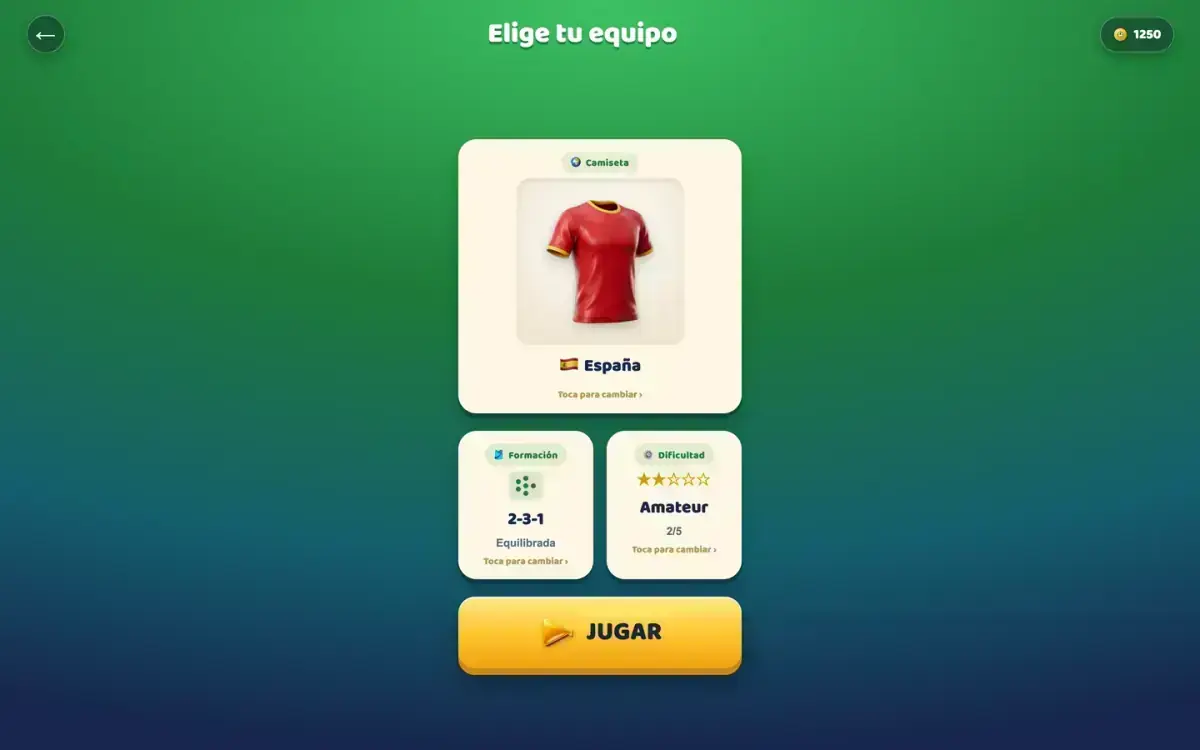
The modern physical version can get expensive — packets cost real money and the arithmetic of chance is merciless. If the budget is tight, digital collections are a sensible alternative: in many games packets are earned by playing, not bought. In Toy Soccer Cup, for instance, the album holds 625 stickers across 25 national teams and packs arrive by playing matches, completing the daily challenge or — only if the child chooses — watching an ad; buying them with real money simply does not exist. The ritual is the eternal one: the packet, the suspense, the "GOT IT!". The wallet, meanwhile, rests.
Perhaps the most beautiful thing about sticker collecting is that it is a universal language. A Spanish kid and a Turkish kid share no words, but they share exactly the same sticker-flipping gesture — got it, got it, need it — and the same face upon finding the shiny. Albums change name, country and century; the gesture never changes. That is why they never go out of style: they are not a product, they are a childhood rite. And rites, as long as there are playgrounds, know no crisis.
If you want to see a digital album from the inside, the collection page explains it calmly — and the game is free, with your first packet dropping within your first matches.